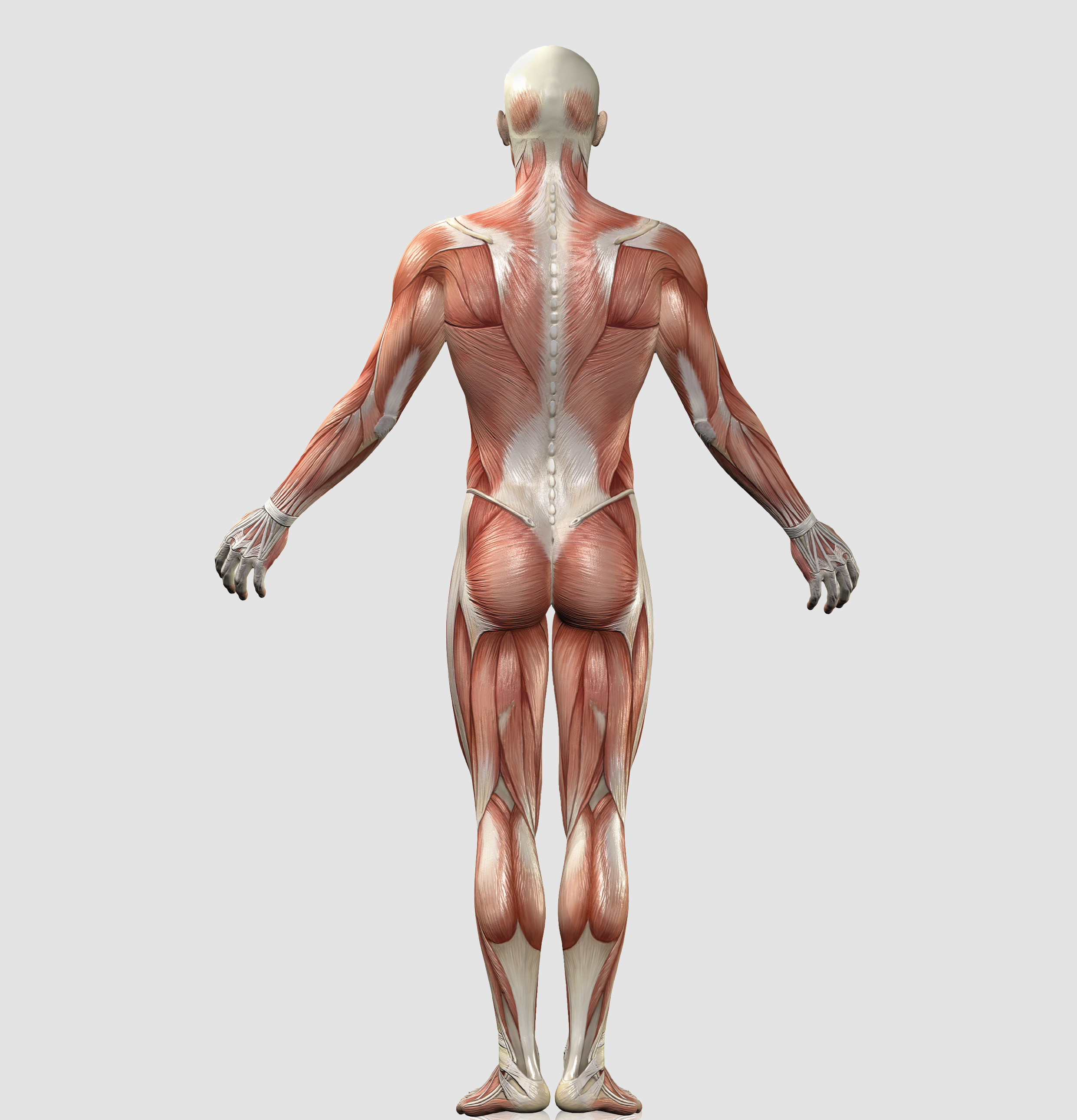
Discovering your back muscles
We're happy to share with you our fifth episode of our “Spine Anatomy Fundamentals” series! In this episode, we'll be focusing on “Discovering your back muscles”.
The back muscles
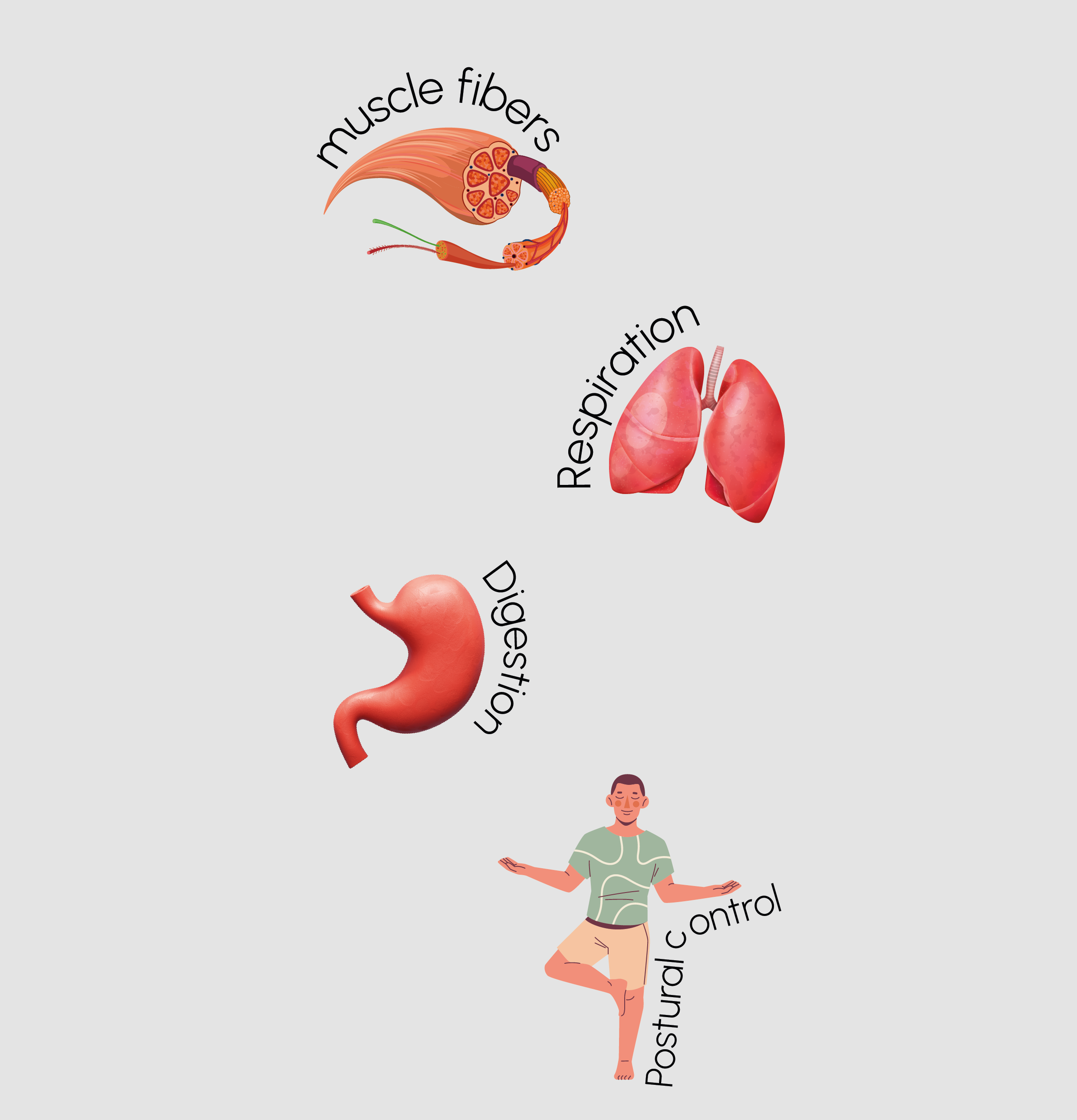
Muscle is a remarkable tissue composed of fibers capable of contracting to produce movement, but its role goes far beyond locomotion.
Muscles contribute to essential body functions such as:
- Respiration
- Digestion
- Postural control and adaptation to the environment
In the back, we can identify three main anatomical layers:
- Superficial layer
- Intermediate layer
- Deep layer
The different layers
The superficial muscles are the most visible and the easiest to palpate. They are primarily responsible for the movements of the shoulders and arms.
The intermediate layer is mainly composed of the spinal muscles. These muscles form the largest dorsal muscle mass and are essential for voluntary straightening and lateral bending of the spine.
The deep muscles are essential for maintaining posture and stabilizing the spine.
Conclusion
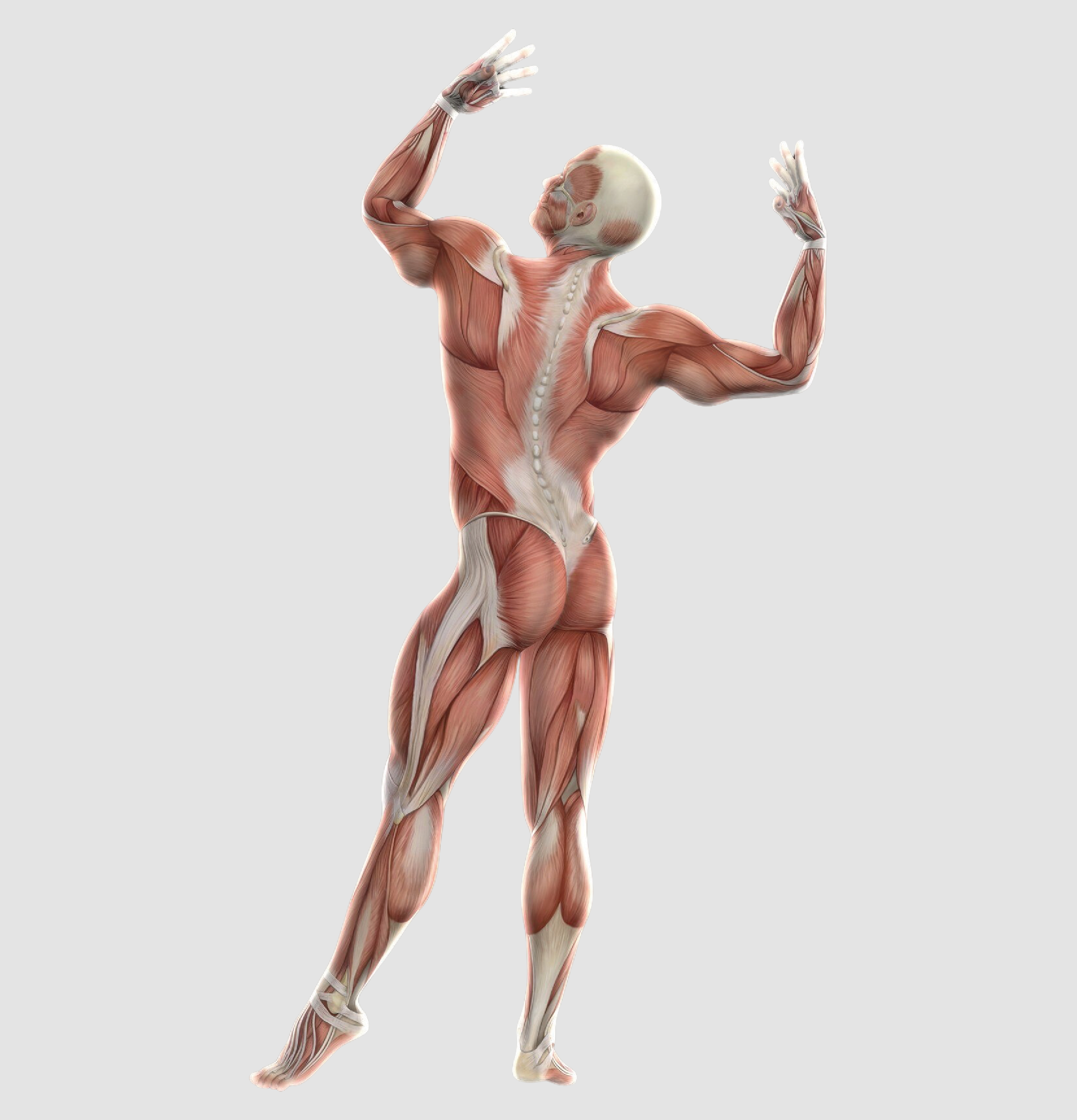
The back is a dynamic, multi-functional system.
Understanding muscles layers is key in spine surgery, it guides the design of tailored medical devices and improves patient rehabilitation.